
Professional Teeth Whitening and the Reality of Achieving a Brighter Smile
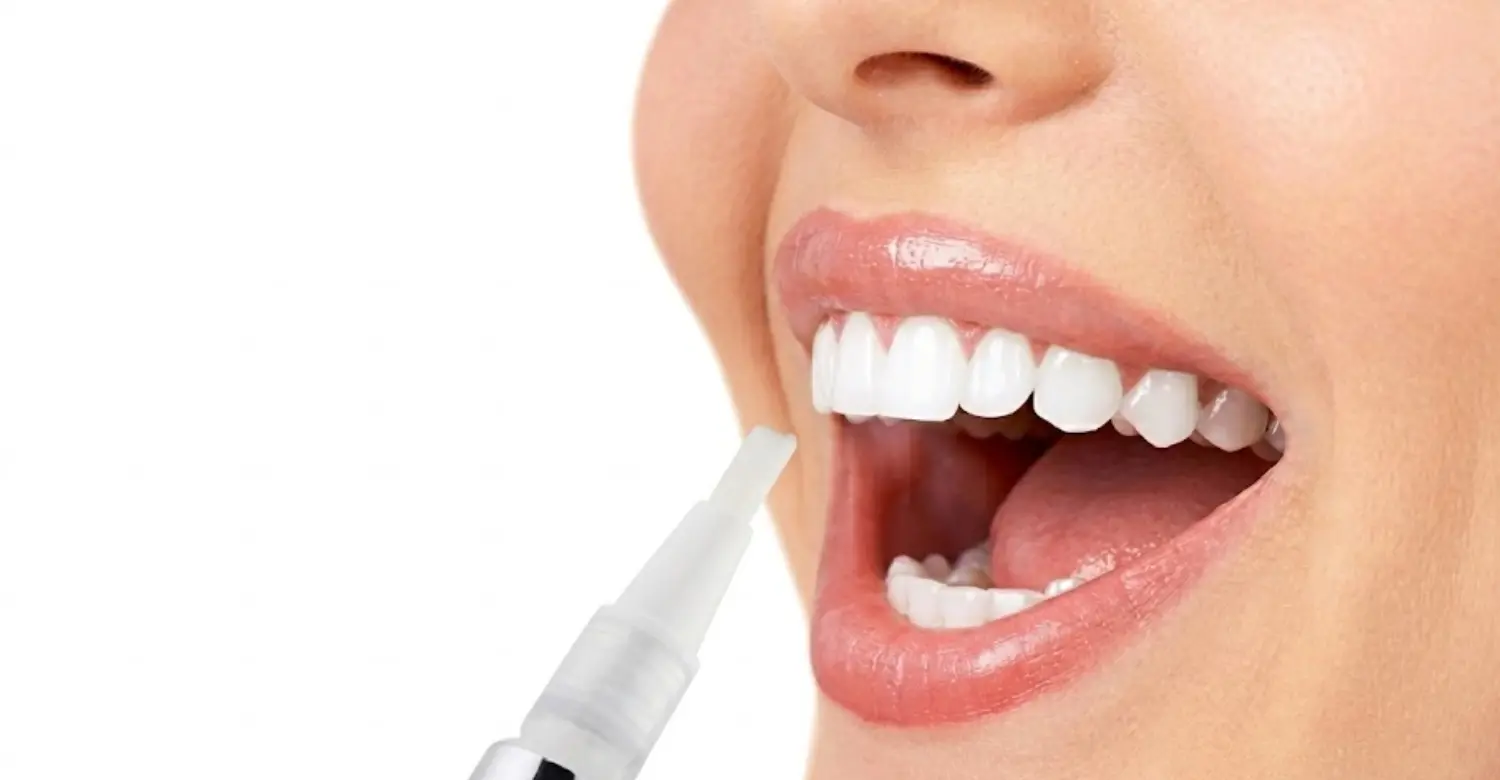
Many people operate under the assumption that a brighter smile is primarily a matter of picking up the most prominently displayed product on a pharmacy shelf. There is an appealing simplicity to this idea: choose a box, follow the instructions, and expect a transformation. However, the reality of cosmetic dental care is more nuanced, as individual dental health, the nature of staining, and the composition of enamel all play significant roles in the final outcome.
Examining Common Assumptions About Over-the-Counter Options
A frequent, yet often oversimplified, belief is that all whitening agents work in the same way, regardless of the underlying cause of discoloration. In practice, surface stains caused by common dietary habits—such as coffee, tea, or certain foods—often respond differently than deeper, intrinsic discolorations that are embedded within the tooth structure.
Over-the-counter products typically rely on general, standardized concentrations of bleaching agents. Because these kits are designed for a broad population, they lack the personalization required to address unique tooth sensitivity or specific types of staining. When someone relies solely on these off-the-shelf solutions, they may encounter challenges such as uneven whitening, persistent tooth sensitivity, or the simple frustration of seeing minimal change, despite consistent use. The mechanism behind these products is often less efficient at penetrating the enamel compared to professional-grade treatments, which are adjusted to align with the specific needs of the patient.
What Actually Tends to Matter for Effective Whitening
When a patient seeks a more significant and controlled result, the focus shifts toward a professional approach. The most critical factor in achieving a predictable outcome is a thorough assessment conducted by a qualified professional. Before any whitening procedure begins, a dental provider typically evaluates the overall health of the teeth and gums.
This is essential for a few reasons. First, certain dental conditions, such as untreated cavities or gum recession, can lead to significant discomfort if exposed to whitening agents. Second, dental restorations—such as crowns, veneers, or bridges—do not respond to whitening agents in the same way natural enamel does. A professional assessment helps the patient understand how these materials might look following a procedure, preventing surprises.
Beyond the assessment, the efficacy of professional teeth whitening often stems from the use of customized application methods. By creating trays tailored to the specific contours of an individual’s mouth, a provider ensures that the whitening agent remains in consistent contact with the tooth surfaces while minimizing exposure to sensitive gum tissue. This level of precision is difficult to replicate with standardized, one-size-fits-all kits.
How to Tell the Difference in Practice
When evaluating how to proceed, a patient should look for a few distinct indicators that a provider is prioritizing their long-term oral health over a quick aesthetic fix. A provider who values safety and effectiveness will typically start by discussing the patient’s goals and expectations. They will also be transparent about what can realistically be achieved, as natural tooth shades vary widely and are influenced by genetics.
Another hallmark of a quality clinical approach is the communication regarding sensitivity. A knowledgeable professional will often suggest protocols to manage potential sensitivity, such as recommending specific oral care products or adjusting the concentration of the whitening gel used.
Furthermore, a teeth whitening dentist should be willing to discuss the long-term maintenance of the results. Whitening is not a permanent state; it is a process that requires consistent oral hygiene. A professional approach often includes guidance on how to avoid rapid restaining and how to use periodic touch-up treatments safely to maintain a desired appearance over time. If a provider avoids these conversations or promises immediate, drastic results without a baseline assessment, it is often a sign to ask more questions or seek a second perspective.
Reframing the Way You Think About a Brighter Smile
It is useful to stop viewing dental whitening as a simple product purchase and start viewing it as a component of broader dental maintenance. When the goal is to improve the appearance of your smile, the most reliable path is one that prioritizes the integrity of the enamel and the health of the surrounding tissues.
Instead of asking which product is the most powerful, a more effective inquiry is, “What is the source of my discoloration, and what is the safest way to address it given my current dental history?” By focusing on structural health and personalized application, patients are more likely to achieve the results they want without sacrificing comfort or risking damage to their teeth.
Choosing to consult with a teeth whitening dentist allows for a strategy that balances aesthetic goals with the practical limitations of one’s own dental anatomy. This perspective shifts the responsibility from guessing at pharmacy aisles to collaborating with a professional who can provide a safe, structured, and informed path toward a healthier-looking smile.
Ultimately, the most successful outcomes in cosmetic dental care come from patience and professional oversight. The effort spent understanding the mechanism of whitening, addressing underlying health needs, and following a guided plan typically leads to more satisfying, sustainable results than those achieved through trial and error with generic, mass-market alternatives.